Ten papers on durable intelligence
Research
How intelligence sustains its best reasoning, acquires abilities through work and compounds them across agents and model generations.
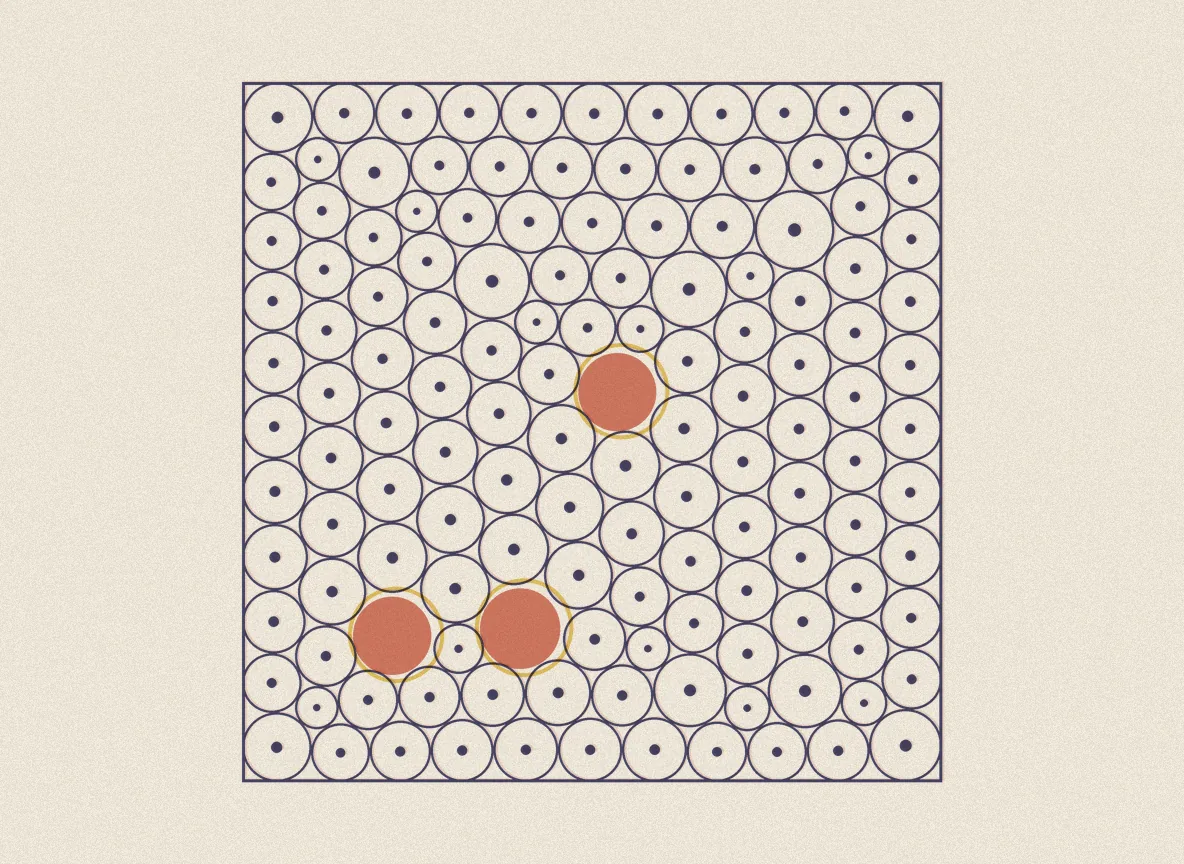
Papers (April to September 2026)
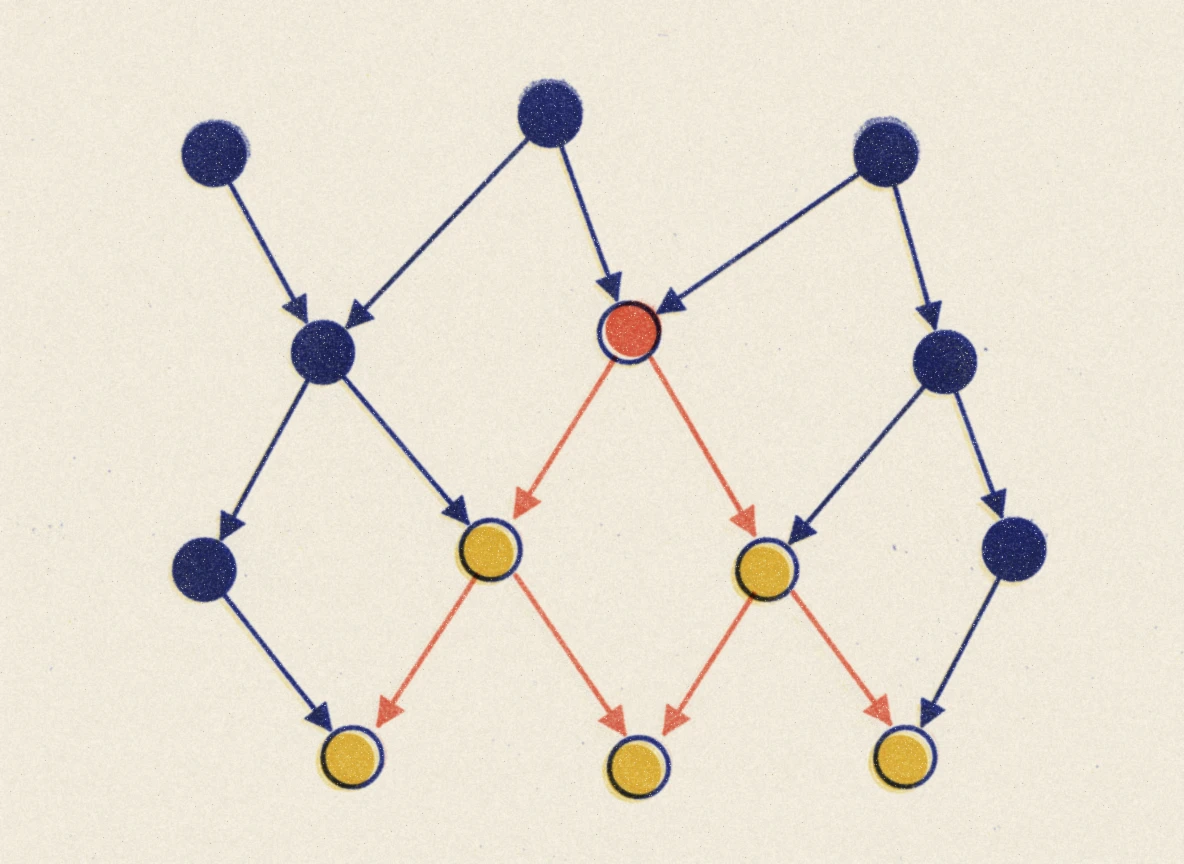
Dawn of Durable Intelligence
Day-30 task fidelity of 95.2% against 63.9%, and runs 14.8 times longer before a person has to step in, with the base model unchanged.
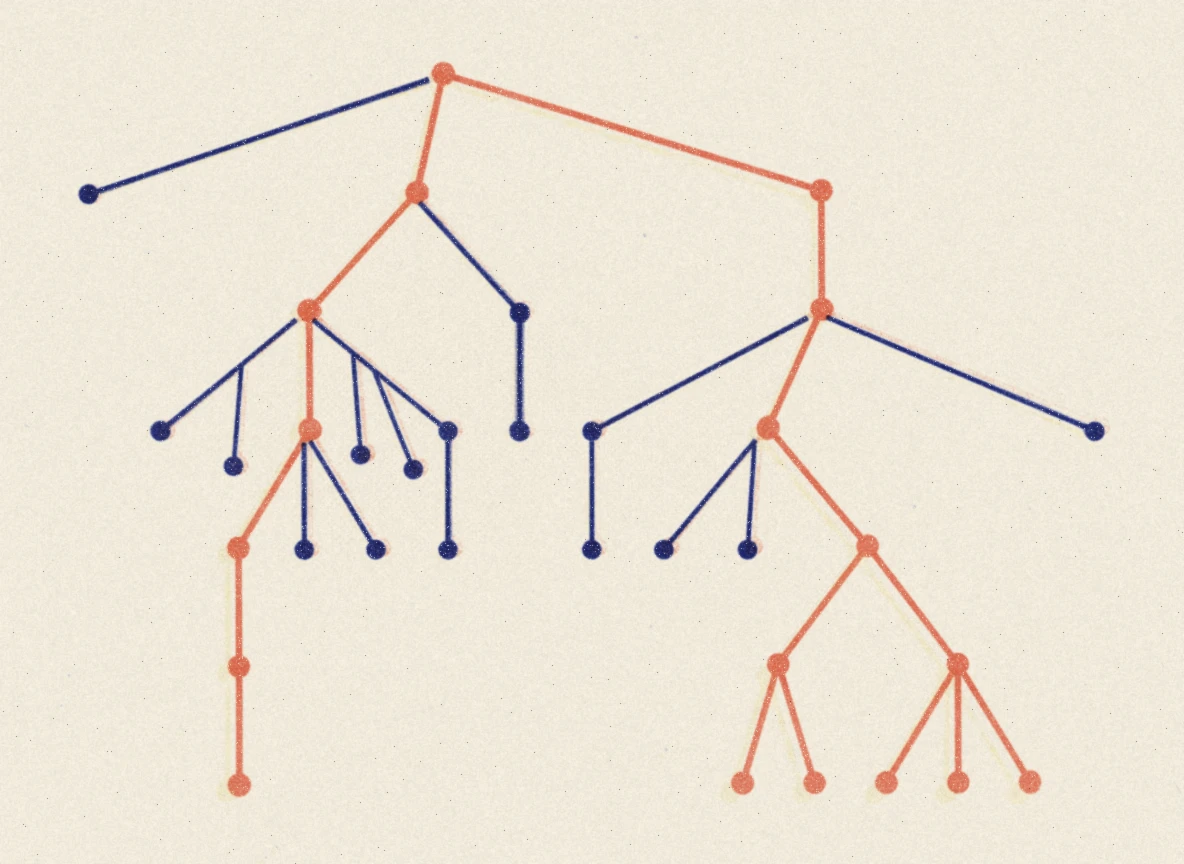
The Valley: Architecture and Observational Protocol
Asks whether knowledge and collective capability survive the deaths of individual agents, in four worlds of a hundred agents each.
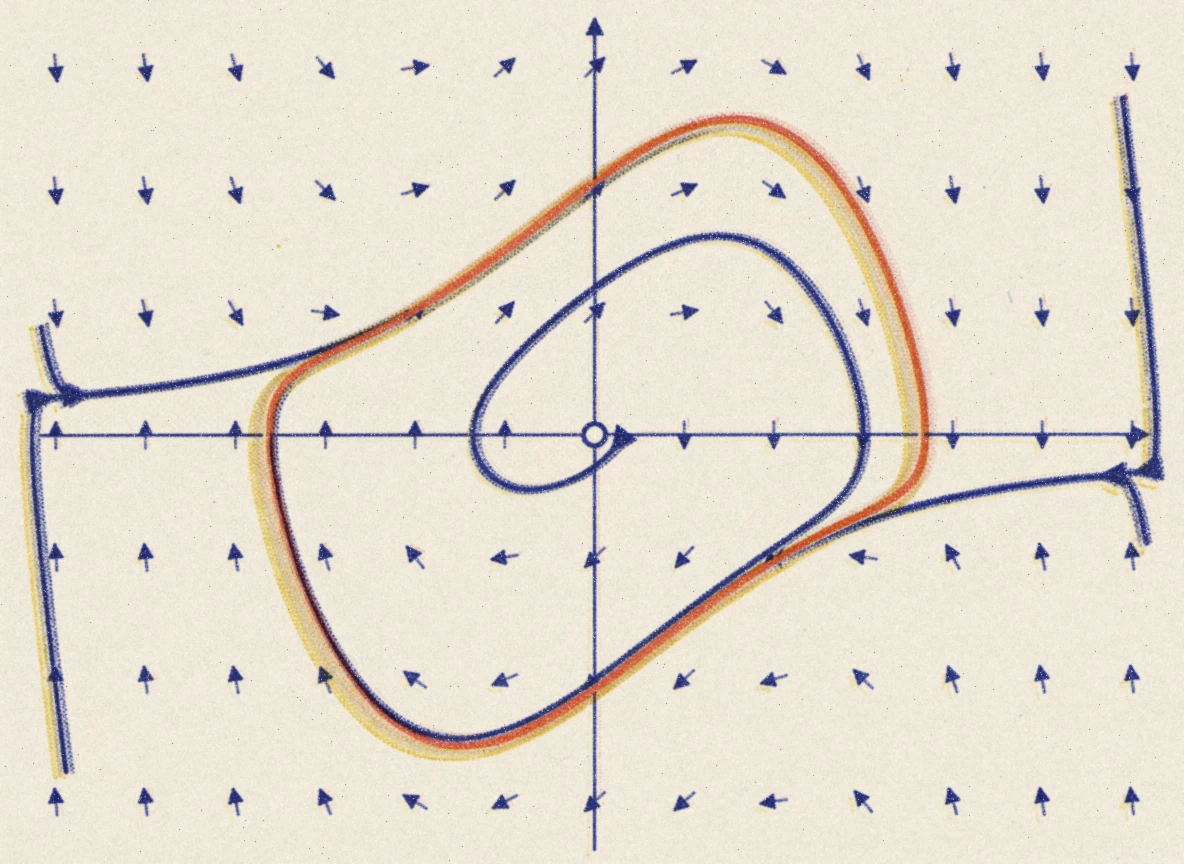
Nenya at a Glance
The July evidence in brief: 1.000 fidelity on a regulated task, and 95% of commitments kept across thirty modelled days.
Nenya: Experimental Foundations
Forgetting happens the moment a commitment leaves the context window, and each kind of failure responds to its own remedy.
Nenya: The Durability Frontier
Capability is oversupplied; fidelity and durability are scarce. On a regulated task, fidelity rises from 0.43 to 1.00 with Nenya.
Durability and Fidelity for the Synthetic Workforce
Two separate failures keep agents from being trusted with autonomous work, and each needs its own remedy.
The Durability Frontier
Agents get pulled back from production because binding commitments slip, and a capable model forgets a rule once it scrolls out of view.
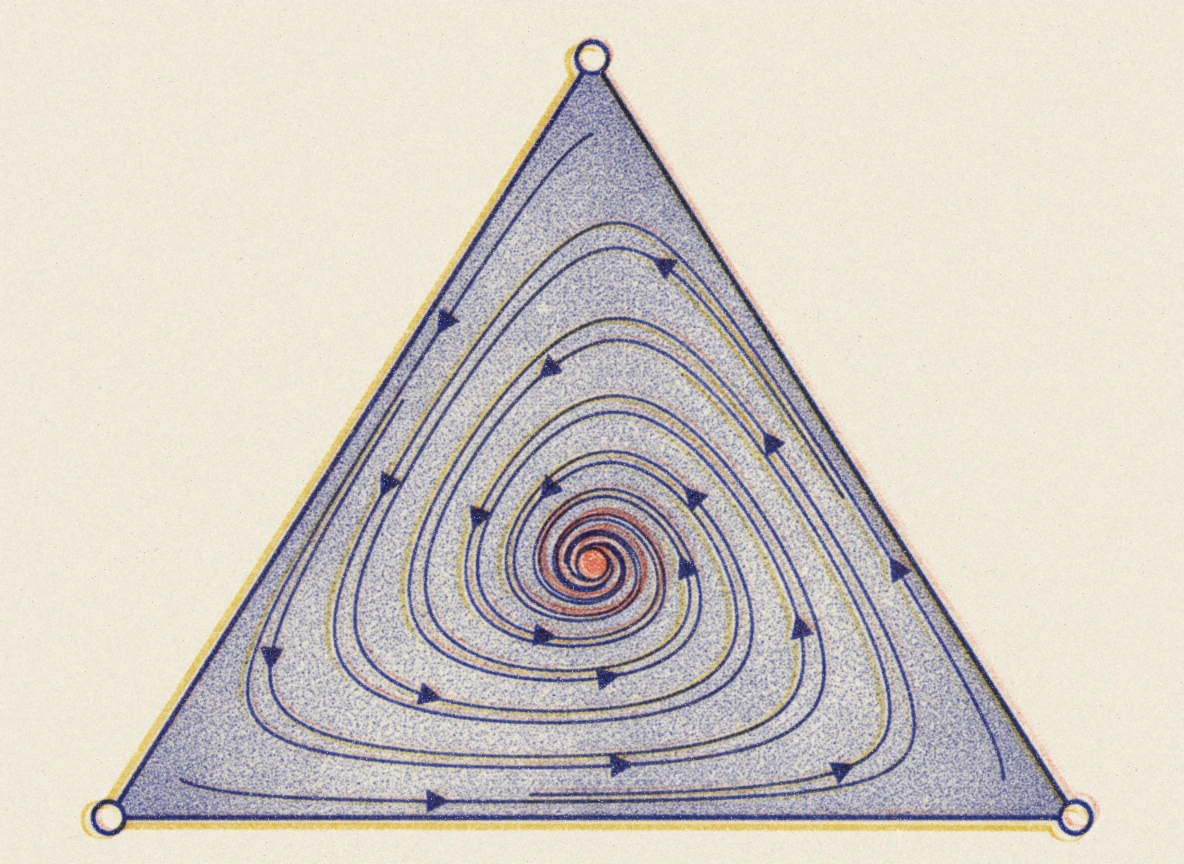
Modern Type 5: The Complete System
Modelled over thirty days in five professional fields, the Complete System keeps 95% of an agent’s obligations; unaided agents keep 42%.
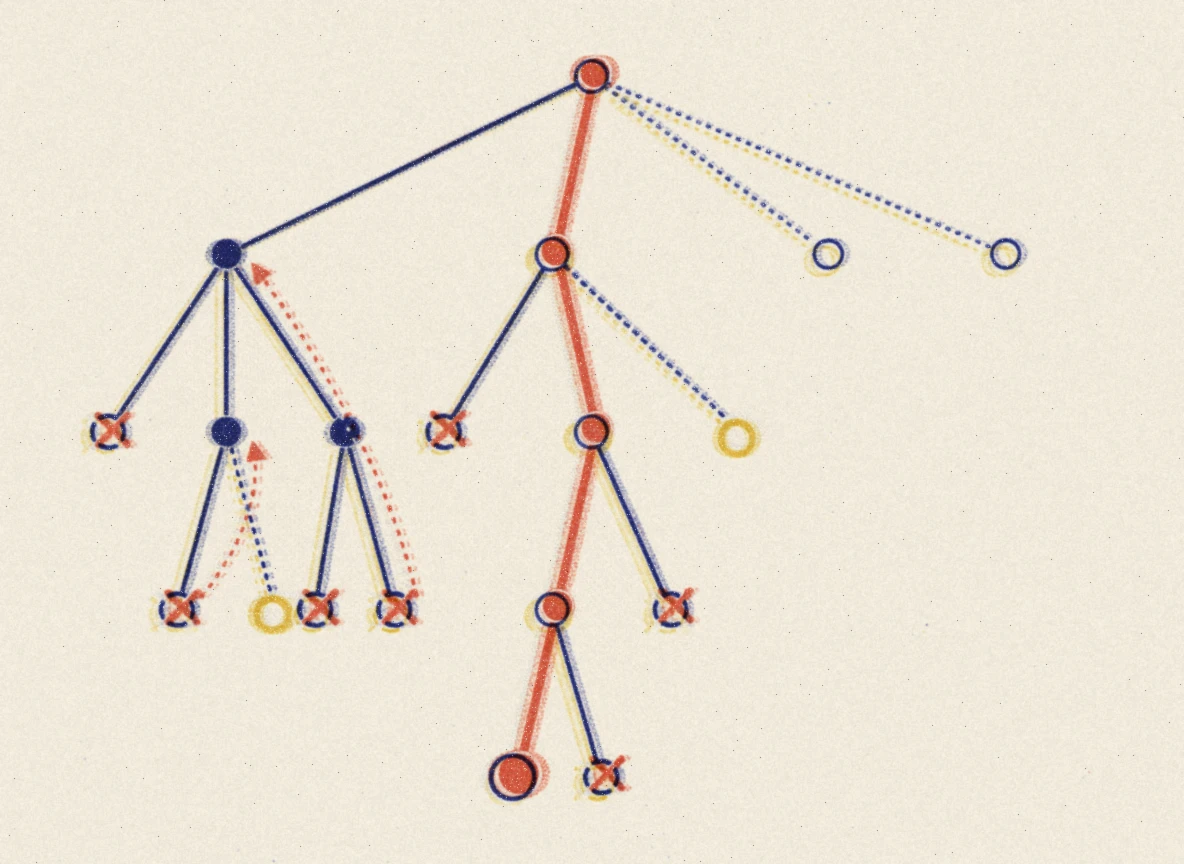
Modern Type 5 Neurosymbolic Processing
Hard rules can govern a frontier model from outside, with proved guarantees, even though its internals stay closed.
Research areas
Useful experience can live in a decision, a model, a tool or an organisation. Each creates a different research problem.
Action state
Keeping decisions current when evidence changes
Which evidence should govern the next decision, and what must change when that evidence changes?
Latent control
Keeping what a model learns on the job
How can a model keep what it learns on the job through interruptions, restarts and new models?
Model continuity
Replacing a model without restarting the project
What must a replacement model inherit to take responsibility for an ongoing undertaking?
Collective intelligence
The Valley: abilities that outlive their agents
Can a population develop abilities that survive its members and exceed what any member can do?
Self-improvement
Making experience improve the next AI
Can an institution use its acquired methods to improve the intelligence that develops its next methods?
Economics
The cost of finishing the work
Which system finishes useful work for the least total effort, including the work people must repeat?
How to read the papers
Our papers follow the problem from the state behind a single decision to experience a successor can use. The current synthesis is Dawn of Durable Intelligence. The Valley asks how capability can belong to a population whose members change.
1 September 2026
Dawn of Durable Intelligence
Day-30 task fidelity of 95.2% against 63.9%, and runs 14.8 times longer before a person has to step in, with the base model unchanged.
26 August 2026
The Valley: Architecture and Observational Protocol
Asks whether knowledge and collective capability survive the deaths of individual agents, in four worlds of a hundred agents each.
July 2026
Nenya: Experimental Foundations
Forgetting happens the moment a commitment leaves the context window, and each kind of failure responds to its own remedy.